DX'peditions
What I miss in DX'peditions
The 3Y0K Expedition to Bouvet Island, one of the globe’s most remote locales, has been operational since the outset of March, generating considerable excitement within the amateur radio community. As is customary, enthusiasts are striving to log this diminutive, icy isle. The fortunate operators bask in elation, while others grapple with frustration, which often erupts into toxic behavior across bands, social media, and various clustering platforms. However, do the majority of operators embody best practices in this endeavor? This could be just a simple rhetorical question, yet it is anything but, as it is absurd what they are doing to themselves and others.
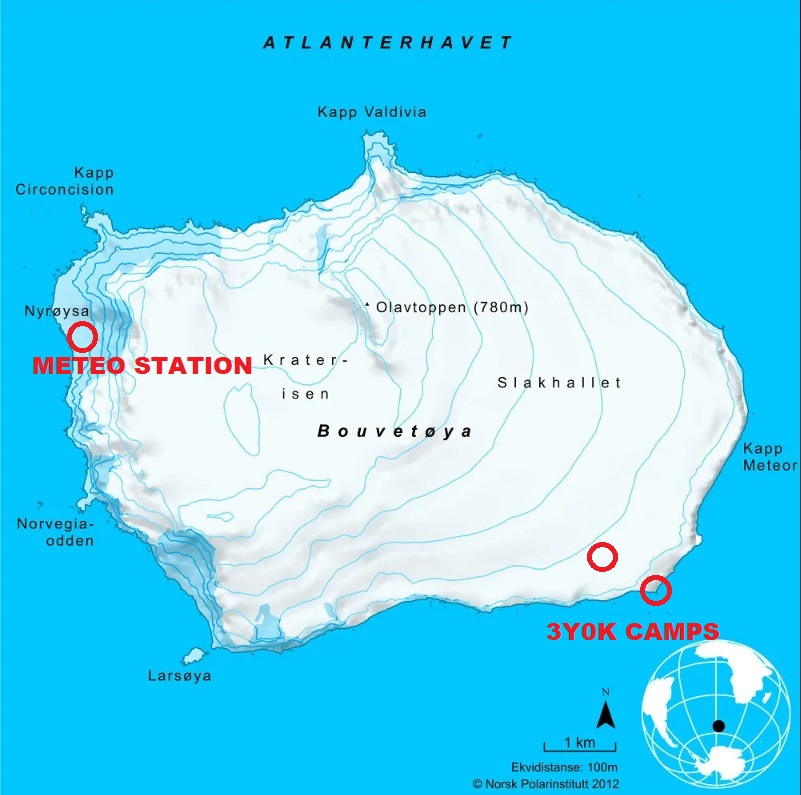
Credit: 3Y0K Facebook Group
There are several facets of the majority of DXpedition’s conduct that seem to overlook the needs of less powerful operators. And this is not a direct critique to 3Y0K, as it is remarkable that, despite not operating at full capacity throughout the entirety of its run, 3Y0K has been having substantial pileups across all bands and modes over the past week. Clearly, the prior DXpedition to Bouvet (3Y0J) did not yield as many contacts; however, this disparity is not solely attributable to the recent influx of operators awakening their radios. It is more concerning than that.
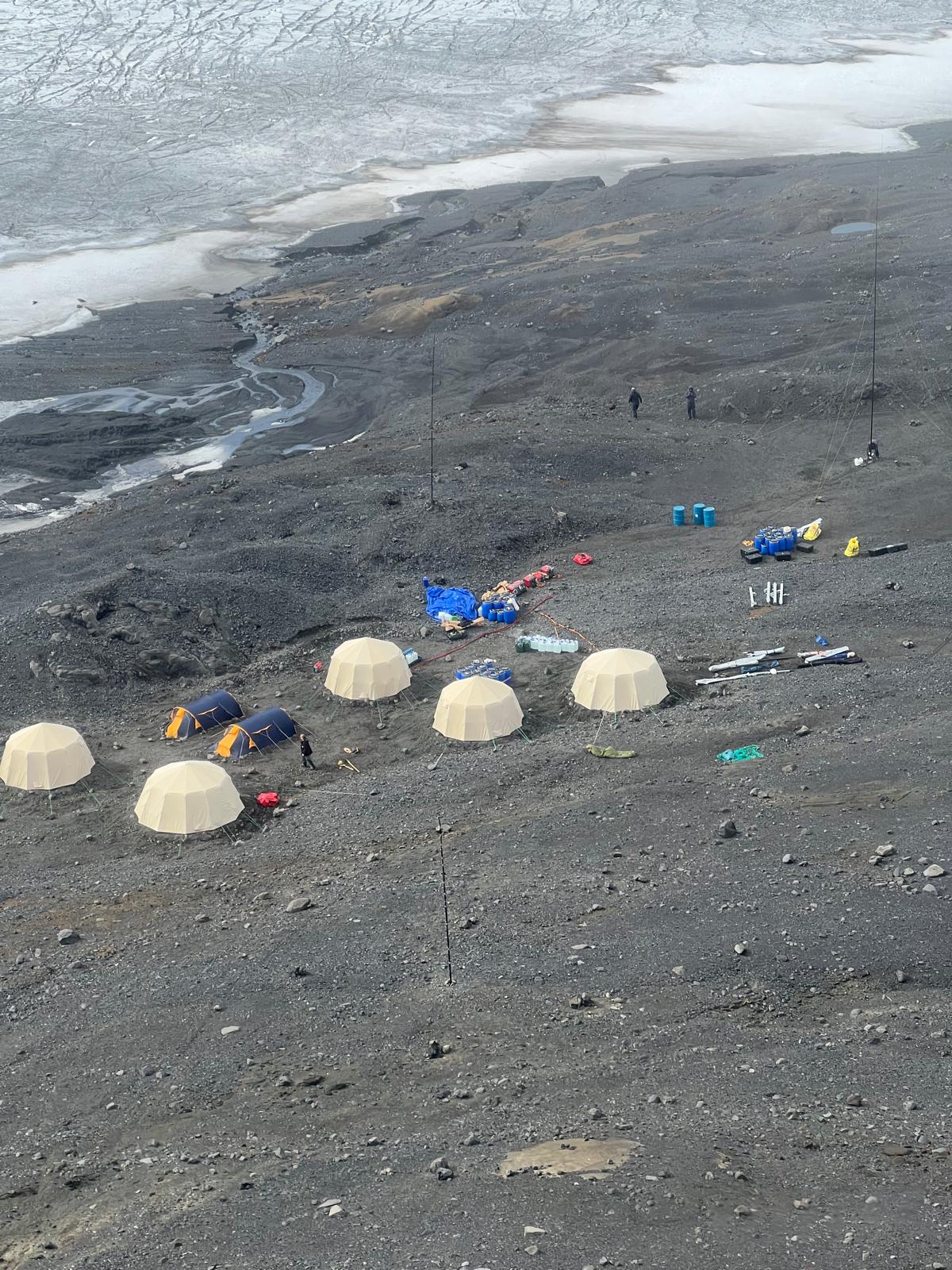
Credit: 3Y0K Facebook Group
I am reminded of March 2000, precisely 26 years preceding 3Y0K. At the time, neither Software Defined Radios nor webSDRs existed. Transceivers were entirely analog, and more primitive methods to ascertain the frequency on which the DX was listening were needed. For those fortunate enough to own dual VFOs, the second VFO was the key, while others might temporarily switch the TX frequency to RX, an option available on my Kenwood TS-870 through the TF-SET button. This method allowed operators to adjust the dial while maintaining pressure on the TF-SET to locate repliers and, by doing so, finding where the best spot to call.
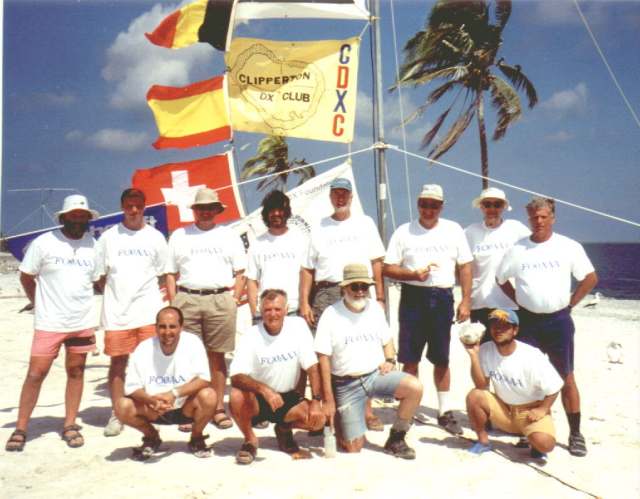
Why reference to March 2000? Because during that period, the FO0AAA Expedition to Clipperton Island was actively underway, and what an expedition it was! I was, at the time, a small pistol (and still am, albeit with slightly more power now).
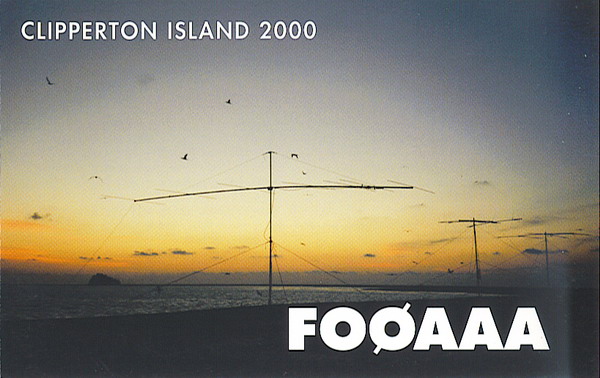
Credit: FO0AAA website
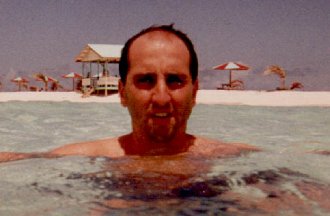
Why, you may wonder, am I referencing FO0AAA? This expedition was notable for the remarkable strategies shared from the other side of the pileup. I distinctly remember engaging in SSB on the 20-meter band, struggling for over an hour to establish a QSO amidst the overwhelming pileups. Just when my resolve began to wane, I overheard an announcement: “we’re changing operators.” Following a brief intermission, I heard Eddy, EA3NY, take over.
Credit: FO0AAA website
Suddenly, I heard him saying “nobody’s on 210.” In an instant, I moved to 14.210 and called out. The QSO was effortless, and I found my call logged.
The following day, on the 15 meter band, another operator was saying “listening on 305” while alternating with “listening on 310.” Many seemed to miss that, when he indicated 305, he was actually monitoring 310, and vice-versa. This clever maneuver provided attentive listeners with a golden opportunity for a successful QSO.
Credit: FO0AAA website
Returning now to 3Y0K, the team is indeed performing great. Of course, no one is immune to criticism, and in today’s world, it seems that for many, critiquing has become a full-time occupation. But much of the ineffectiveness of a DX operation is directly linked to the poor behavior observed during pileups.
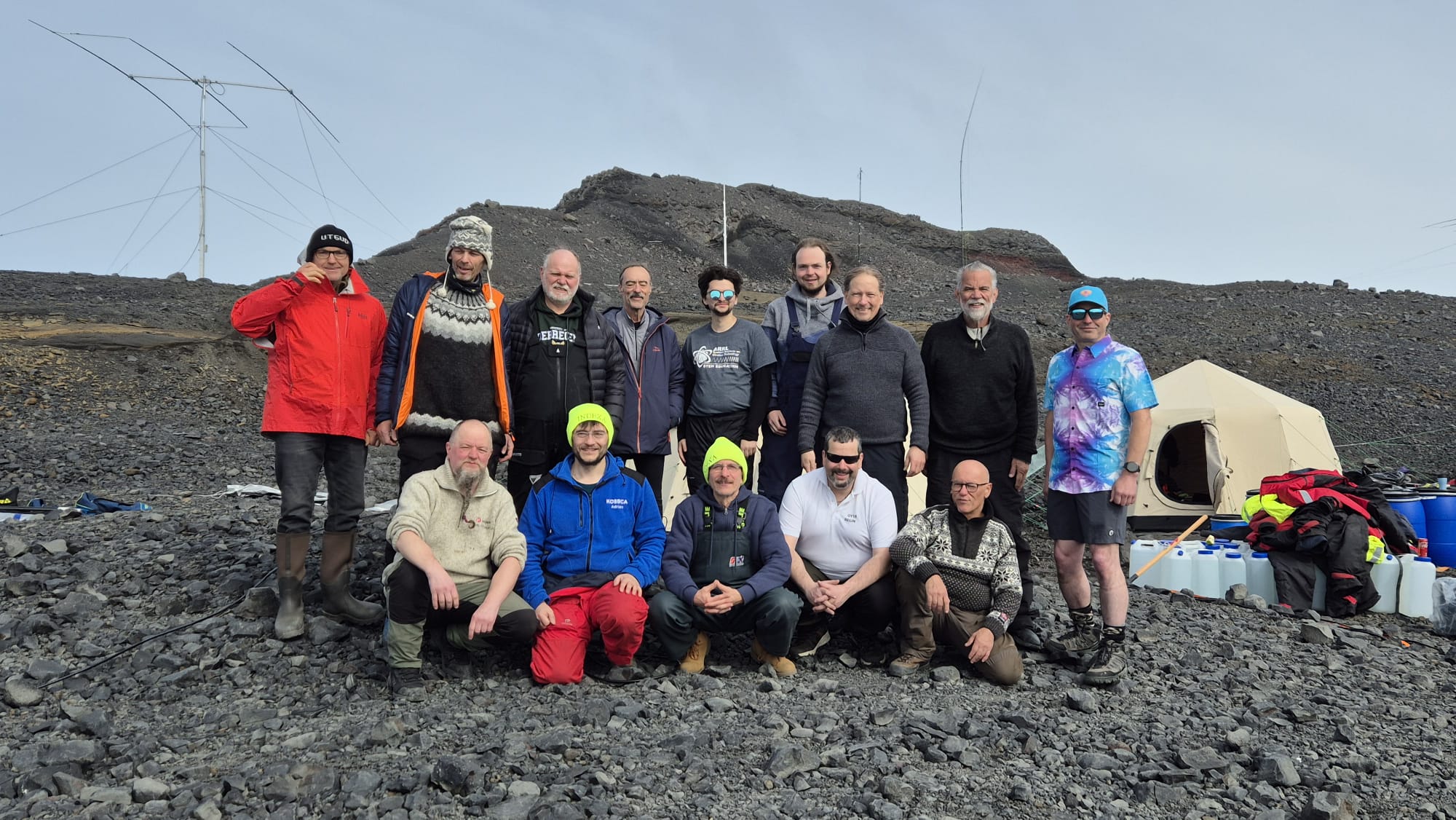
The Team
Credit: 3Y0K Facebook Group
Presently, the majority of so-called DX’ers do not listen; they incessantly call, even when the DX is responding to another operator. In doing so, they neglect to discern where the DX is listening and fail to utilize their intelligence - maybe because the lack of it - to achieve better results. They erroneously believe that their huge amount of power will suffice to make the QSO eventually, yet remain oblivious to the fact that they are merely hindering the progress of the operation.
In FT8, a digital mode that did not exist in 2000, operators often call in the wrong period and employ more power than necessary to complete the QSO.
I can only hope that such ridiculous behavior, as well as deliberate QRM (DQRM), will come to an end. Furthermore, I would appreciate a greater effort from the DX’peditions teams to offer guidance to those who, like me in the past, struggled to achieve a QSO. And I am still struggling.
For more info about the 3Y0K Dx’pedition, visit https://3y0k.com/.
For info about FO0AAA DX’pedition, go to their website.